
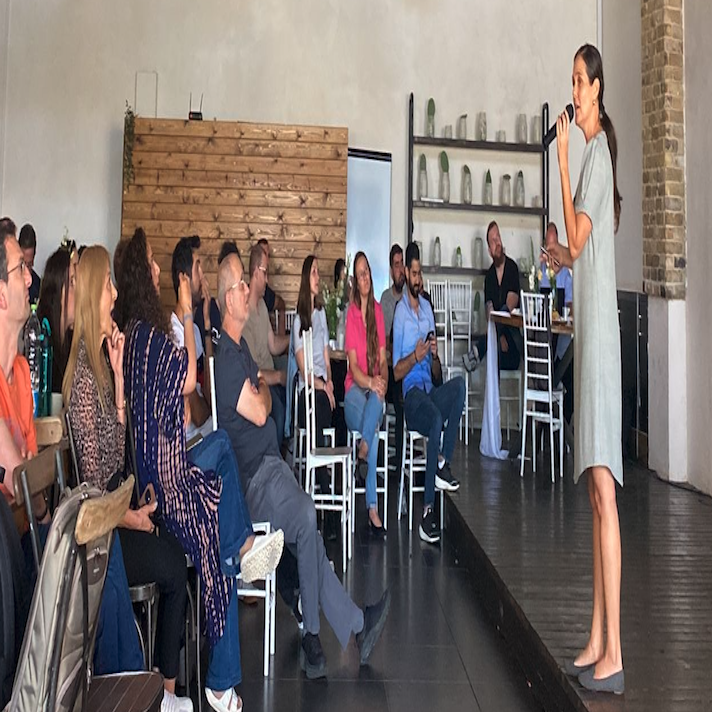
A few weeks ago, I finished recording an interview with Dr. Mathew Vroman from Alaska about cultural intelligence and working with global organizations. Right after we stopped recording, Riverside surprised me with a series of snapshots taken during our conversation…

What Really Makes Cross-Cultural Mergers Work
What Really Makes Cross-Cultural Mergers Work
(Based on “M&A Across Cultures,” in Global Cultural Interplay, pp. 236–242)
When people talk about mergers and acquisitions (M&A), they usually mean spreadsheets, valuations, and legal clauses. But in real life, M&A could just as easily stand for “morning after.” Because just like any new relationship, the day after the deal is signed is when the real problems start to show.
Most CEOs focus intensely on price, timelines, and operational integration. What they often overlook is something far more fragile, and far more powerful: organizational culture. And that oversight helps explain why more than half of cross-cultural mergers fail.
The Culture Nobody Audits
Traditional due diligence investigates finances, legal exposure, and business risk. Rarely does it seriously examine cultural fit. Yet culture determines:
- How people communicate
- How decisions are made
- How conflict is handled
- How authority and responsibility are distributed
Dr. Haim Benyamini, former Vice President of HR at Teva Pharmaceuticals, studied more than 20 acquisitions and identified three cultural layers that interact in every merger:
- National culture
- Organizational culture
- Departmental culture
Ignore any one of these, and integration becomes fragile.
When Countries Don’t Tell the Whole Story
In a recent merger between a Slovenian company and an Israeli company, national culture models predicted large gaps on every dimension. On paper, the partnership appeared risky.
But when employees from both companies completed a cultural assessment (PCAT), something surprising emerged: their actual working cultures were far more similar than national stereotypes would suggest. In other words, the people were ready, even if the countries were not.


This illustrates Slovenian ↔ Israeli Gaps – based on the TCAP model (Trust/Communication/Authority/Process)and the company’s cultural analysis that moves beyond binary national comparisons and focuses instead on how individuals and teams actually operate.
What Smart Leaders Do Differently
Successful cross-cultural mergers do not rush integration. Instead, they:
- Map cultural strengths and weaknesses before signing
- Assess compatibility between teams
- Postpone major changes for at least six months
- Recognize that full integration typically takes around two years
This patience allows trust, shared meaning, and cooperation to develop gradually rather than by force. Because behind every acquisition agreement are hundreds, sometimes thousands, of individuals adapting to a new reality. Every merger creates cultural gaps. The question is not whether gaps exist, but whether they can be bridged. Cross-cultural diagnostics and consulting expose invisible fault lines before they fracture performance. That is when the real work of a merger begins—not on signing day, but the morning after.

Related Posts

Comments (0)